


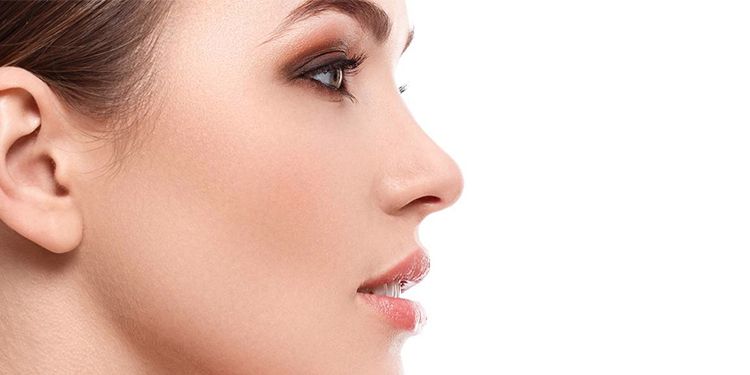
Rhinoplasty, commonly known as a nose job, is a surgical procedure to reshape or correct the structure of the nose. It can be performed for both aesthetic and functional reasons. Aesthetic rhinoplasty focuses on improving the appearance of the nose, such as changing its size, shape, or proportion to better harmonize with the face. Functional rhinoplasty addresses breathing issues caused by structural problems, such as a deviated septum.
The procedure can enhance facial symmetry, correct birth defects, or repair damage from trauma. Rhinoplasty is usually performed under general or local anesthesia, depending on the complexity of the surgery. Recovery involves some swelling and bruising, which typically subsides after a few weeks. The final results may take several months to fully develop.
- Free consultation
- 7 Nights in a 5 star hotel in Istanbul
- Pre/post-operative testing
- Cost for laboratory
- Medication and Equipment
- All round VIP transfer
- 7/24 Support
- Assistants speak English
It’s generally recommended to arrive in Istanbul 1-2 days before your rhinoplasty operation. This allows time for:
Pre-surgery consultation: The surgeon will perform a detailed examination, discuss your goals, and review your medical history.
Pre-operative tests: You may undergo routine tests like blood work or imaging to ensure you are fit for surgery.
Rest and preparation: Arriving early gives you time to adjust to the city and prepare mentally and physically for the procedure.
An outpatient rhinoplasty usually takes 1.5 to 3 hours to complete. In “closed rhinoplasty,” which has limited flexibility, incisions are done inside the nostrils. The tissue between the nostrils and the nostrils themselves are both cut into during “open rhinoplasty.”
The most frequent rhinoplasty side effects that are considered “medical” are severe bleeding or infection. In less than 1 in 500 cases, bleeding necessitates immediate attention and care. Infections following surgery occur about 1%.
Rhinoplasty can change the shape, size, appearance, projection, or a combination of these things, depending on the demands of the patient. The lips, chin, cheeks, and other facial features are left alone until you receive additional treatments.
After rhinoplasty, the patient usually stays in the hospital for one night.
Temporary bruising and swelling may occur after surgery, but this condition improves over time.
Tampons, if any, are usually removed after 2-4 days.
Splints are removed after 6-8 days.
There may be mild leaks and blockages in the first few days, but this can be resolved with the recommended medications.
When to return to work depends on the type of surgery performed, the speed of the patient’s recovery and the requirements of the job.
Smoking can negatively affect the healing process.
Exposure to sunlight should be avoided, especially during the first 3 months.
Activities may be restricted for certain periods depending on the procedure and technique.
The doctor should be informed about the use of contact lenses and glasses.
Complete recovery usually occurs within 3-6 months.